












16th October 2026About ShippingHow to order

You Save: $0.00
Was: $0.00
Mesh products are designed to reduce this risk by allowing air to pass through the printed surface while retaining strength and visibility.
< SLIDE >
UV Printed PVC Double Coated Polyester Mesh Rolls
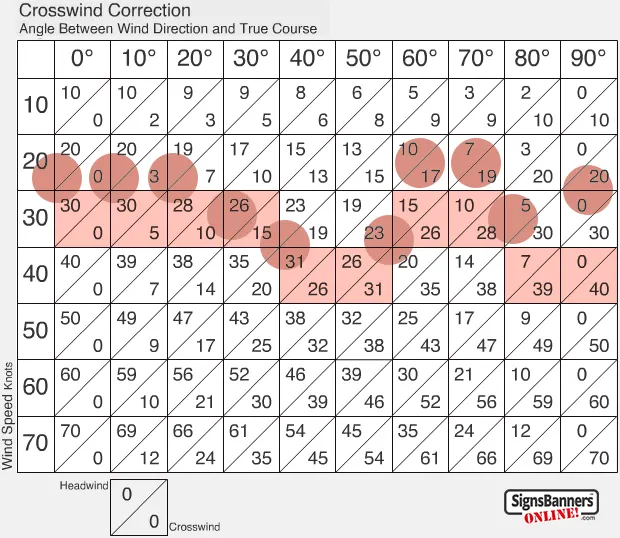
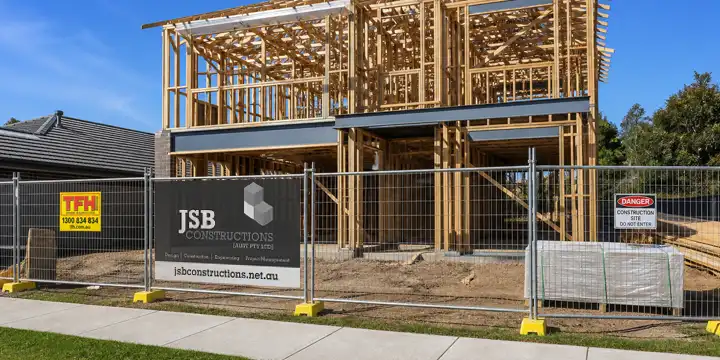
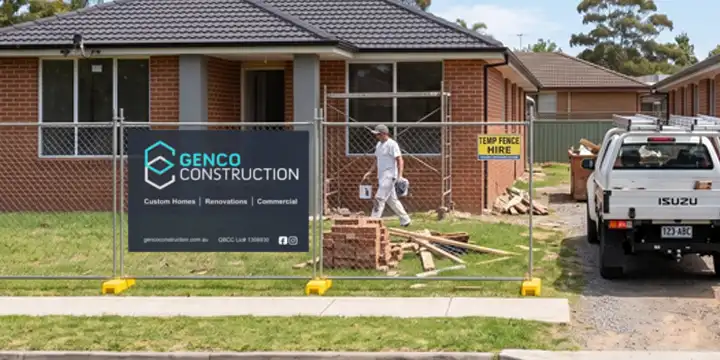
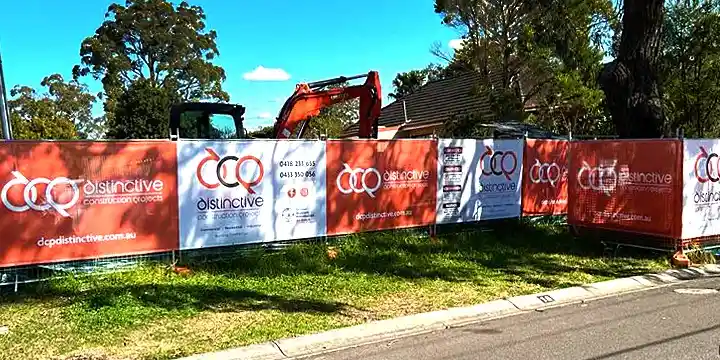
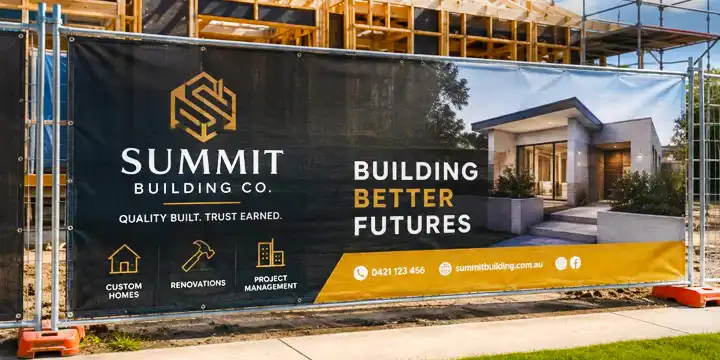
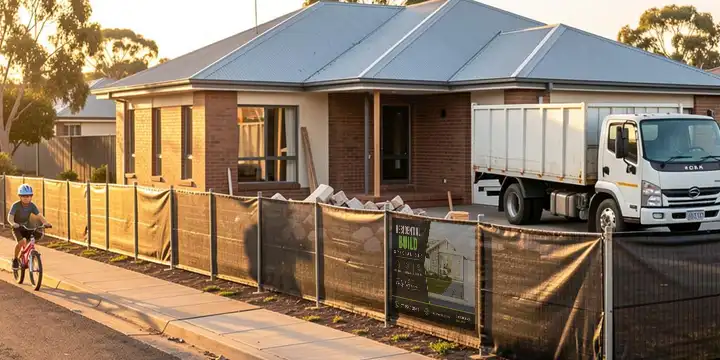
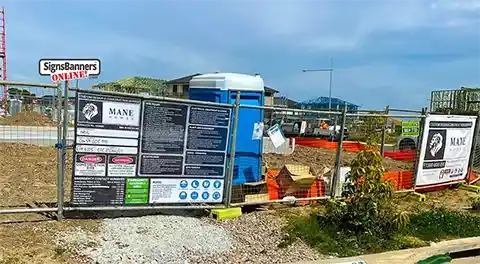
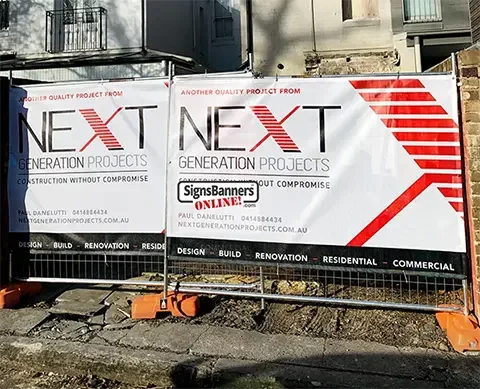
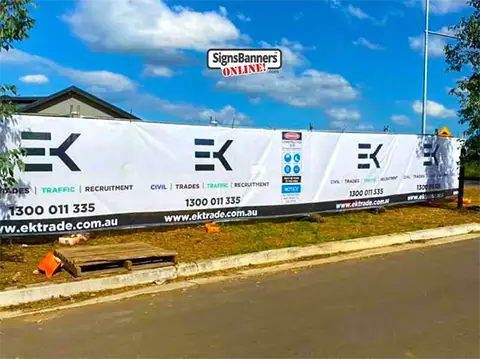
Wind loading is a consideration when installing banners on fences, hoardings, and exposed structures. Outdoor signage behaves like a sail, and unmanaged wind pressure can place significant stress on materials, fixings, and support frames.
SBO's Mesh Products are designed to reduce this risk by allowing air to pass through the printed surface while retaining strength and visibility.
Wind forces increase with banner size, height, and site exposure. Open locations, corners, and elevated installs experience higher loads than sheltered areas. Correct eyelet fitting, reinforced edges, and even tensioning help distribute stress and prevent tearing or premature wear. Installers should assess local wind conditions, surrounding terrain, and fixing points before installation. Choosing the correct mesh material and installing it properly ensures signage remains secure, readable, and reliable throughout its working life.
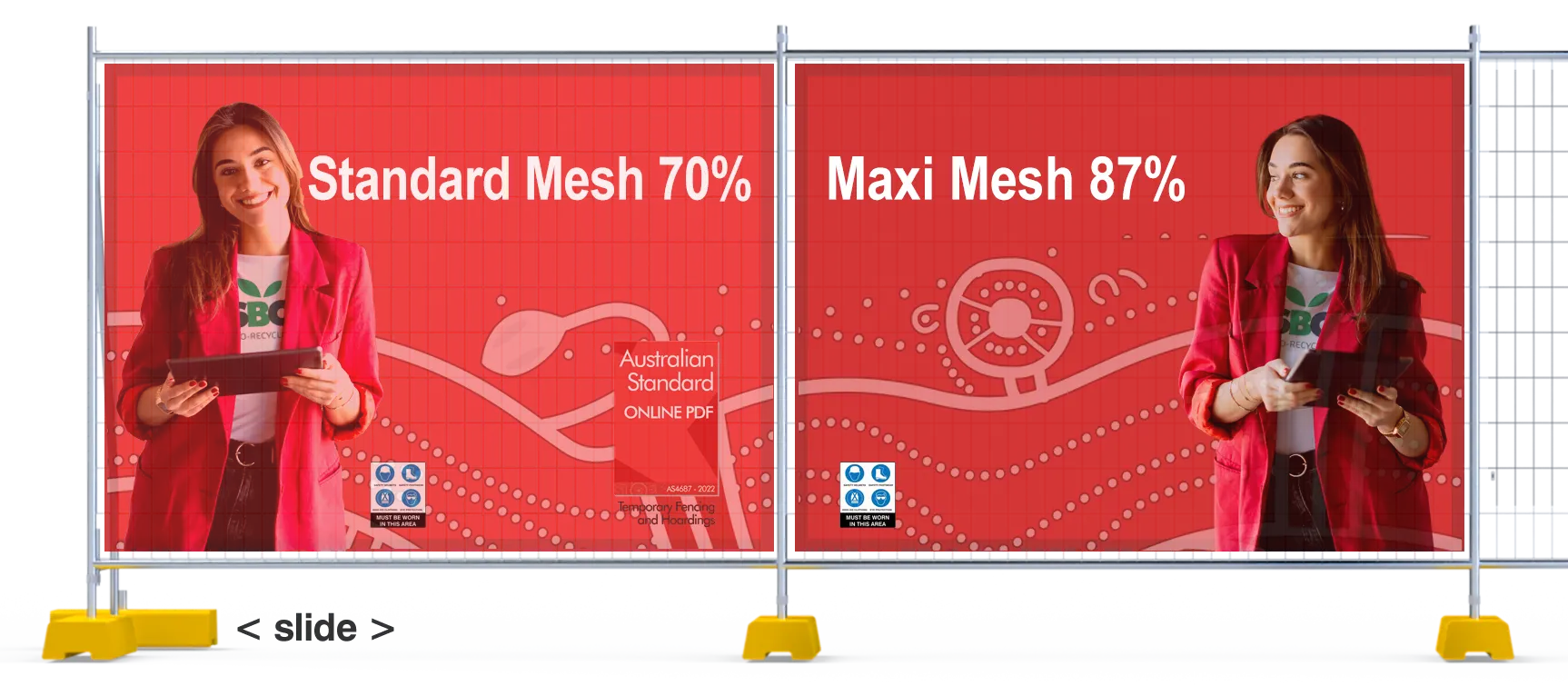
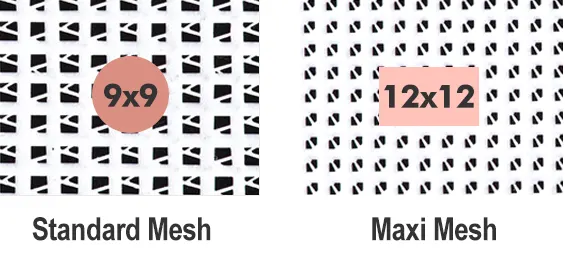
Mesh Roll Fitting Options offered by SBO are eyelet spacing every 1000mm apart or every 500mm apart. Two materials are used, medium weave which is our Standard Mesh, and tight weave which is our Maxi Mesh.
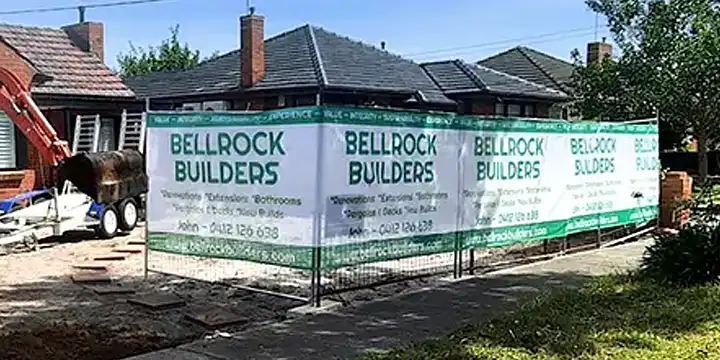
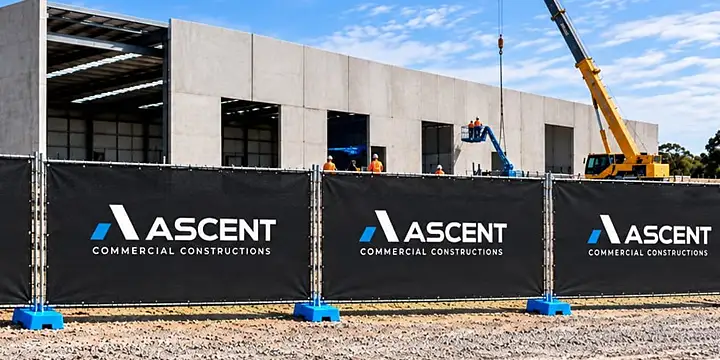
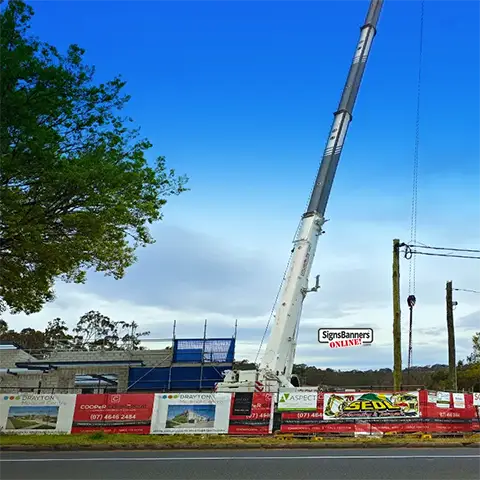
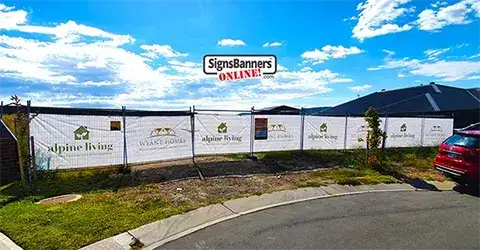
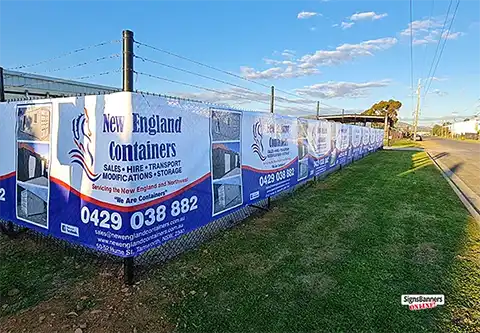
A wide span behaves differently to a single panel because the load it collects grows with every metre you add. Wind pressure acts across the whole printed face, and the resulting force is carried back through the eyelets into the fence frame, the joints between panels and finally the ballast feet holding everything upright. Doubling the run does not double the difficulty, it concentrates it, because the end panels and any gate opening take the highest share. This is why a 10 metre banner installed as one continuous face needs more thought than the same area split across separate bays with relief between them. Plan the run, the fixings and the feet together, never in isolation.
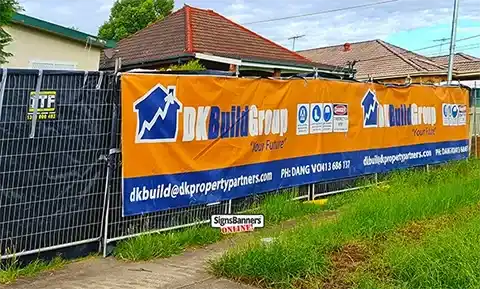
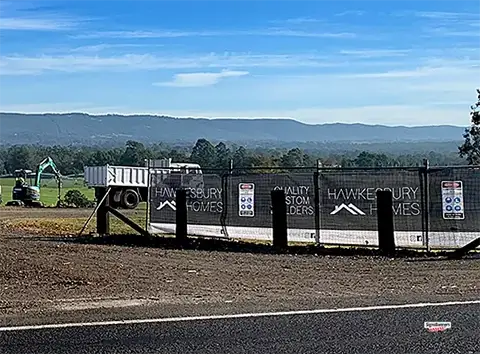
The single biggest factor you control on site is how much air passes through the print. A solid banner presents a full face to the wind, while mesh lets a measured proportion of air move through and sheds pressure instead of collecting it. Australian Standard AS 4687-2022 recognises this directly, requiring the solid area of a barrier to be assessed including whatever is attached to it, so shade cloth and banners are counted as part of the structure, not treated as decoration. Standard Mesh in a medium weave suits most exposed fence runs. Maxi Mesh, the tighter weave, gives a denser image and less show-thru but presents more solid area, so it belongs on sheltered or shorter spans.
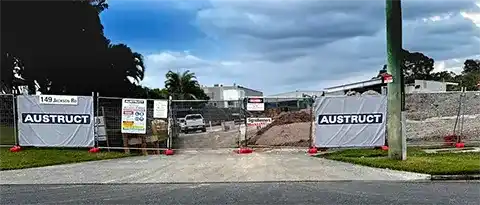
The standard no longer splits Australia into separate wind regions for temporary barriers. Instead one national set of design wind speeds applies, adjusted for the specific site through five considerations: importance level, terrain category, shielding, topography and proximity. Shielding is the one installers notice most. A run backing onto continuous suburbia or established trees sheds meaningful load, while a run facing open parkland, water or an airfield gets no relief at all. Ground shape matters too, since wind accelerates up a slope and eases over the crest. The practical takeaway is simple. The same banner on the same fence is not the same job when the site around it changes.
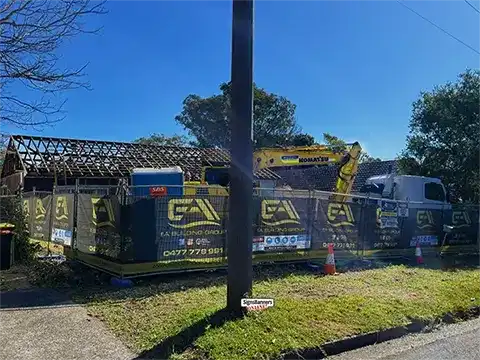
Older practice tested a temporary fence from the side its bracing was attached to, which flattered the result. AS 4687-2022 requires the barrier to be assessed from both directions, because experience showed that fences carrying shade cloth or banners tended to fail when the wind pushed against the unbraced face. The panels could lift out of their feet and pivot over the bracing. For a printed run this matters more than for bare fence, since the banner is what turns an open frame into a surface the wind can push. Brace for the wind you will actually get, from either side, and add bracing at gates and open ends where the run loses continuity.
SBO no longer use 6x6 Open Mesh for fence branding or screening. The weave is weak, it offers little to no branding effectiveness, and it damages easily in service. On a wide span those faults compound, because the open weave carries print poorly at viewing distance and the material gives way at the fixings long before the fence itself is troubled. Our Standard Mesh and Maxi Mesh both hold print sharply and retain strength at the eyelets, which is what a fence run actually needs. If you have been quoted 6x6 elsewhere for a branded run, compare the weaves before you commit.
View and Compare SBO Materials
Wind rarely tears a banner in the middle. It works on the fixings, so that is where the attention belongs. Eyelets every 500mm spread the load across more points than eyelets every 1000mm, and on long exposed runs the closer spacing is worth the small extra cost. Tension the banner evenly so no single corner carries the run, keep the hems reinforced and check the ties after the first strong blow, since fixings bed in and slacken early in their life. If a cyclone warning is issued, the standard expects temporary barriers to be taken down or made safe. Removing a banner is faster and cheaper than replacing a fence line.
getting the PDF...
Your Quote has been sent.
It includes a link to pay and a team member contact.
See how it is printed here.
Invoice Sent.
Your Invoice {invoice} includes a link to pay and a team member contact.
Production planning has begun and your order is underway. You can see where it is made here.
The original home of the printed fence mesh specials. Popular sizes, fixed prices, ready to order.
$8.95 Fence Mesh Special
Qty 3 · 1600 x 30 metre Standard Mesh Eyelets 1000
All Colors & Artwork. Created to match your style and identity. Includes Free Setup 29 minutes
$805.50
ex GST · 90 metres total · $268.50 each
$9.95 Site Mesh Special
Qty 1 · 1600 x 50 metre Standard Mesh Eyelets 1000
All Colors & Artwork. Created to match your style and identity. Includes Free Setup 29 minutes
$497.50
ex GST · 50 metres total · $497.50 each